Unique 3D LED Walls: A Design Revolution
- Peter Cookson

- Jan 19
- 4 min read
In the world of visual technology, unique 3D LED walls are transforming the way we experience digital displays. These walls are not just screens; they are immersive environments that captivate audiences with depth, clarity, and dynamic visuals. From advertising to entertainment, and corporate events to architectural installations, 3D LED walls are revolutionising design and communication.
The Rise of Unique 3D LED Walls in Modern Design
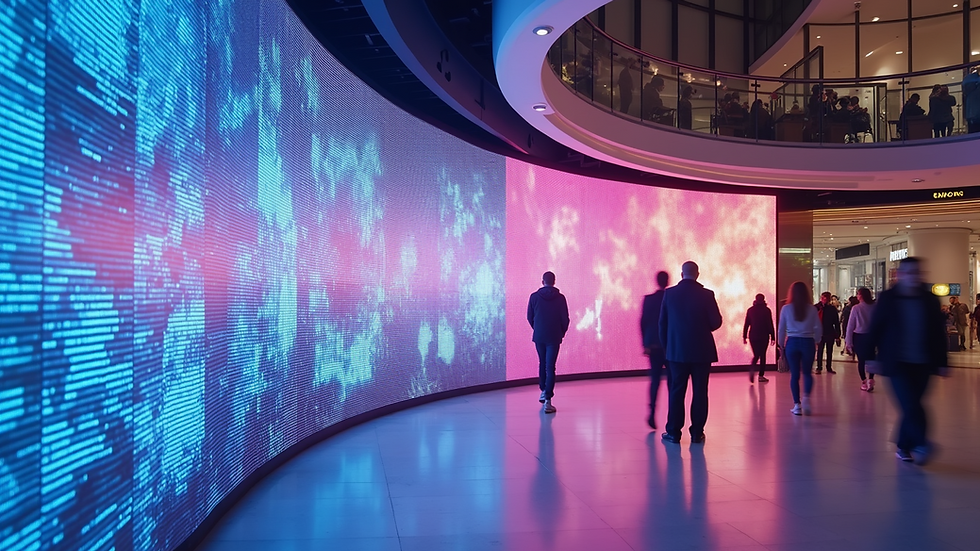
The evolution of LED technology has brought about a new era in display solutions. Unlike traditional flat screens, unique 3D LED walls create a sense of depth and realism that engages viewers on a whole new level. These walls use advanced pixel mapping and layering techniques to produce images that appear to leap off the surface.
One of the key advantages of these walls is their versatility. They can be customised to fit any space, whether it’s a curved surface, a large-scale outdoor billboard, or an intricate indoor installation. Designers now have the freedom to experiment with shapes and sizes, pushing the boundaries of creativity.
For example, a retail store might use a 3D LED wall to showcase products in a way that feels interactive and alive, while a concert venue could create stunning backdrops that change dynamically with the music. This adaptability makes unique 3D LED walls a favourite among creative professionals.
How Unique 3D LED Walls Enhance User Experience
The immersive quality of unique 3D LED walls significantly enhances user experience. By adding depth and motion, these walls create an environment that feels more natural and engaging. This is especially important in spaces where capturing attention is critical.
Here are some ways unique 3D LED walls improve engagement:
Increased Visual Impact: The three-dimensional effect makes images more striking and memorable.
Interactive Possibilities: When combined with sensors or touch technology, these walls can respond to user movements.
Improved Storytelling: Brands and artists can tell stories in a more compelling way by layering visuals and effects.
Enhanced Spatial Awareness: In architectural settings, 3D LED walls can simulate environments or provide wayfinding assistance.
For instance, museums and galleries use these walls to create immersive exhibits that transport visitors to different worlds. Similarly, corporate lobbies employ them to display dynamic branding messages that leave a lasting impression.
Technical Innovations Driving the 3D LED Wall Revolution
The success of unique 3D LED walls is rooted in several technical innovations. These advancements have made it possible to deliver high-resolution, bright, and energy-efficient displays that maintain their quality even in challenging environments.
Key innovations include:
High Pixel Density: Smaller pixel pitch allows for sharper images and smoother 3D effects.
Advanced Processing Software: Real-time rendering and content management systems enable seamless transitions and complex animations.
Flexible Panel Design: Lightweight, bendable panels allow for creative shapes and installations.
Improved Brightness and Contrast: Enhanced LED technology ensures visibility in both indoor and outdoor settings.
Energy Efficiency: Modern LEDs consume less power, making large installations more sustainable.
These technical features combine to create displays that are not only visually stunning but also practical and cost-effective for long-term use.

Practical Applications of Unique 3D LED Walls
The versatility of unique 3D LED walls means they can be applied across various industries and settings. Here are some practical examples:
Advertising and Marketing: Eye-catching 3D visuals attract more attention and increase brand recall.
Entertainment and Events: Concerts, festivals, and theatre productions use these walls for dynamic stage backdrops.
Corporate Spaces: Offices and conference centres employ them for presentations, branding, and interactive displays.
Retail Environments: Stores use 3D LED walls to create immersive shopping experiences.
Public Spaces and Architecture: Buildings and urban areas integrate these walls for artistic installations and information displays.
For example, a sports stadium might use a 3D LED wall to display live game stats and replays with depth and clarity, enhancing the fan experience. Similarly, airports can install these walls to provide travellers with engaging wayfinding and entertainment.
Tips for Designing with Unique 3D LED Walls
Designing for unique 3D LED walls requires a thoughtful approach to maximise their potential. Here are some actionable recommendations:
Understand the Space: Measure and analyse the installation area to determine the best size and shape.
Plan Content Strategically: Use content that leverages depth and motion to create impact.
Consider Viewing Angles: Ensure the 3D effect is visible from multiple perspectives.
Integrate Interactivity: Add sensors or touch elements to engage users actively.
Test and Iterate: Prototype content and installation to refine the visual experience.
By following these tips, designers can create installations that not only look impressive but also serve their intended purpose effectively.
Incorporating a 3d led wall into your design projects can elevate the visual experience and set your space apart from the competition.
The Future of Unique 3D LED Walls
As technology continues to advance, the possibilities for unique 3D LED walls are expanding. Future developments may include:
Higher Resolutions and Smaller Pixels: For even more lifelike visuals.
Augmented Reality Integration: Combining 3D LED walls with AR for interactive environments.
AI-Driven Content: Automatically adapting visuals based on audience behaviour.
Sustainable Materials: Eco-friendly components to reduce environmental impact.
Wireless and Modular Systems: Easier installation and scalability.
These innovations will further embed unique 3D LED walls into everyday life, making them a staple in design and communication.
By embracing this design revolution, businesses and creatives can harness the power of immersive visuals to captivate and inspire their audiences like never before.

Comments